The debate about cold therapy vs heat therapy is more than just trend talk—it’s central to real recovery. If you’re training hard and chasing PRs, but skipping proper recovery? You’re limiting your gains. Training breaks your muscles down; recovery builds them back stronger. And mastering when to use cold therapy or heat therapy can make a huge difference in both short- and long-term performance. Let’s dive deep into what works—and when—in the real world of muscle repair, soreness, and growth.
Understanding Muscle Repair and Recovery
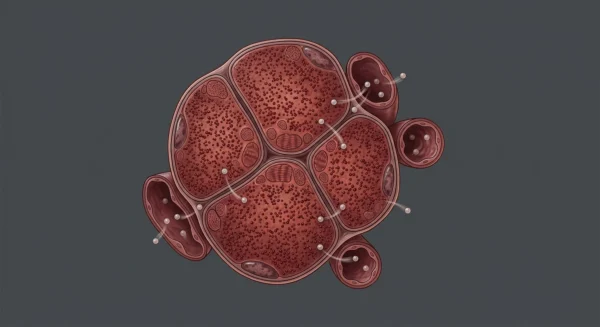
To understand cold therapy vs heat therapy, we’ve got to start at the muscle fiber level. When you train—especially during heavy lifting or high-intensity work—you create microscopic tears in muscle fibers. That’s actually a good thing. Your body triggers inflammation to send in healing nutrients, white blood cells, and growth factors. This process leads to soreness and stiffness (aka DOMS), typically peaking 24–72 hours post-exercise.
But inflammation is a double-edged sword. You need enough to stimulate repair, but too much can hinder progress and delay recovery. That’s why strategic recovery techniques like cold and heat therapy matter. They help you manage inflammation, relieve pain, and speed up rebound—when used correctly.
Cold Therapy: Reduce Inflammation and Accelerate Recovery
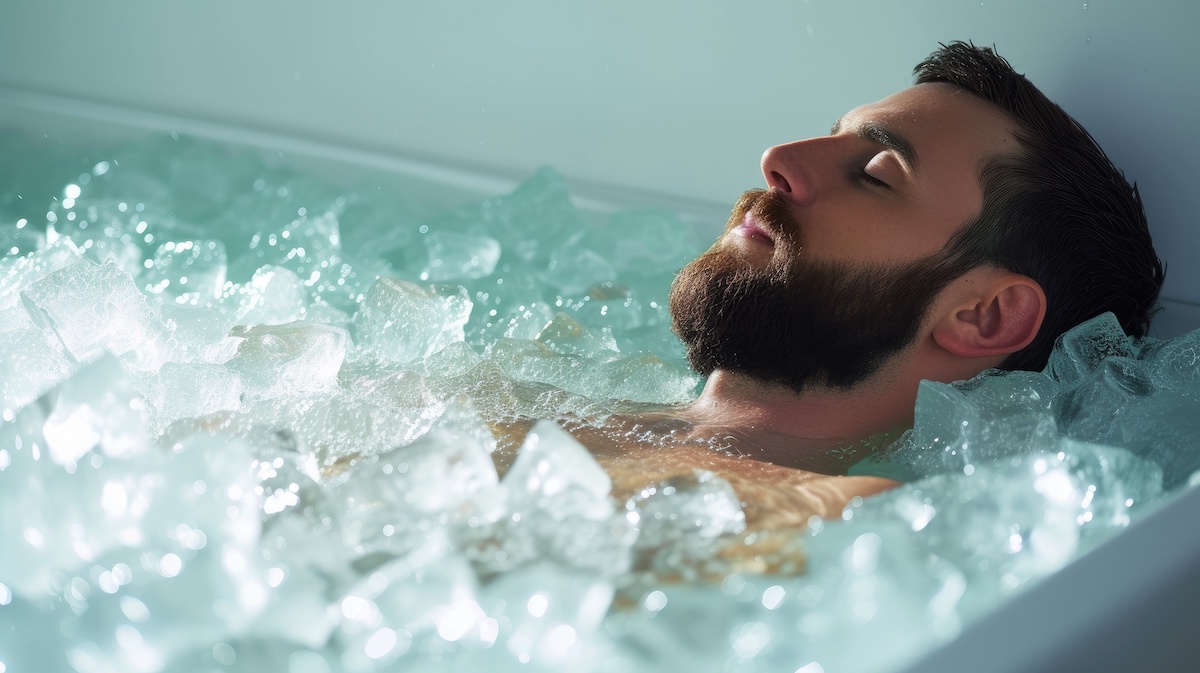
Cold therapy, also known as cryotherapy, helps reduce inflammation, manage soreness, and calm the nervous system after intense workouts. Popular cold therapy methods include:
- Ice baths (50–59°F for 10–15 minutes post-exercise)
- Cold plunges, common in gyms like Remedy Place (LA) and Recovery Project (NYC)
- Localized ice packs for knees, tendons, or sore joints
- Whole-body cryotherapy (WBC)—three-minute sessions with temps below -200°F
Cold therapy works by constricting blood vessels to reduce swelling and slow nerve transmission, which lessens pain perception. The downside? It also temporarily suppresses muscle-building signals if used immediately after resistance training.
Pro tip: To support hypertrophy, avoid cold exposure right after lifting. Instead, use it 6–8 hours later or on rest days. If you’re battling overtraining symptoms, joint flare-ups, or heavy prep fatigue, cold therapy can reduce inflammation without derailing growth.
What I’ve learned: During contest prep, I added cold plunges three times weekly—always hours after training. It kept inflammation in check and helped me wake up fresher. No gimmicks—just solid strategy.
Heat Therapy: Improve Circulation and Muscle Flexibility
Heat therapy gets overlooked, but it’s a core recovery tool for boosting blood flow, easing tight tissue, and improving mobility. By dilating blood vessels, heat increases oxygen delivery and removes metabolic waste like lactic acid.
My go-to heat therapy tools include:
- Saunas (185°F for 15–20 minutes post-training or at night)
- Contrast therapy: alternating cold and hot exposure
- Hot tubs or hydrotherapy with targeted jets pre-mobility
Heat loosens stiff muscles and primes you for heavy compound work. It also helps reduce CNS fatigue and enhance sleep quality when used in the evening.
Pro tip: Apply heat 2–3 hours after a workout—not immediately after heavy lifting—to promote blood flow without disrupting recovery signaling.
What I’ve learned: During bulking, sauna sessions 2–4 times weekly improved my recovery and mobility. Combine it with post-sauna magnesium or electrolytes, and you’ll recover stronger and faster. Heat isn’t about comfort—it’s about readiness and resilience.
Cold Therapy vs Heat Therapy: Choosing What Your Body Needs
So in the match-up of cold therapy vs heat therapy, which one wins? The answer depends on your specific recovery goals. Each method has unique strengths, and the key is using them with precise timing and intent.
Use Cold Therapy When:
- Managing joint inflammation, tendon stress, or overuse injuries
- Recovering from high-intensity, back-to-back training sessions
- Reducing systemic inflammation during prep weeks or cuts
- Cooling down your system after fasted cardio or long metabolic work
Use Heat Therapy When:
- Working through muscle tightness or improving range of motion
- Aiming to improve relaxation, sleep quality, or reduce mental stress
- Loosening muscles prior to lifting sessions
- Recovering from hypertrophy-focused sessions when blood flow matters
Avoid this mistake: Don’t rely on either therapy daily. You need short bursts of inflammation for adaptation and growth. Just like you cycle creatine or deloads, recovery methods should be phased based on your training block.
Bonus Strategy: Contrast Therapy
Pro hack: Use contrast therapy for well-rounded recovery. Alternate two minutes in a cold plunge with four minutes in a sauna, repeat three rounds. It boosts circulation, supports lymphatic flow, and resets your nervous system. I do this regularly at spots like Restore Hyper Wellness in Scottsdale—results speak for themselves.
Master Recovery to Maximize Gains
It doesn’t matter how advanced your supplements or tech are—if your sleep, hydration, and nutrition are trash, you’ll stall. But when you stack those basics with smart tools like cold and heat therapy, you unlock next-level recovery and growth.
In the cold therapy vs heat therapy discussion, there’s no universal fix. Learn your body. Identify what phase of training you’re in—prep, bulk, strength, cut—and align your recovery with it. Adapt, recalibrate, and optimize. Cold to manage inflammation. Heat to increase blood flow. Use both intelligently.
Elite athletes don’t chase trends—they implement systems. Whether it’s Chris Bumstead logging sauna hours or Finlay Gallacher crushing cold plunges for resilience, they’re making calculated recovery choices. So should you.
Train hard. Recover harder. Become your own high-performance machine.