Your bodybuilding diet plan is the determining factor in how you look, feel, and perform—right from day one. It doesn’t matter how intense your workouts are; if your nutrition isn’t dialed in, you’ll always fall short of your potential. Whether you’re cutting for a show or bulking for size, your diet is the foundation of real, lasting progress.
Why a Personalized Bodybuilding Diet Plan Is Essential
Let’s get one thing straight: one-size-fits-all nutrition never builds champions. You are unique—and your bodybuilding diet plan must reflect that. Generic plans pulled from social media won’t support your specific goals, metabolism, or training volume.
Instead, a customized approach aligns your meals with your energy demands, physique targets, and lifestyle. When built intentionally, your diet doesn’t just support your training—it amplifies it. Every meal becomes a strategic step toward muscle growth, fat loss, and peak performance.
Step 1: Calculate Your Calories and Macros with Precision
You can’t manage what you don’t measure. Before buying tubs of chicken breast or meal-prepping oatmeal, determine your Total Daily Energy Expenditure (TDEE). That’s step one in your personalized bodybuilding diet plan.
How to Determine Your TDEE
- Use a Basal Metabolic Rate (BMR) calculator—Mifflin-St. Jeor is highly recommended.
- Multiply BMR by your activity factor—typically 1.55 to 1.75 for intense training schedules.
- This gives you your maintenance calorie level.
Set Your Goal and Adjust Calories
- Bulking: Add 250–500 calories above maintenance for lean muscle growth.
- Cutting: Subtract 300–500 calories to target fat loss while maintaining muscle.
Distribute Macronutrients Effectively
- Protein: 1–1.2g per pound of bodyweight (e.g., 180–215g daily for a 180 lb individual).
- Fats: 20–30% of total calories—critical for hormone function, so don’t skimp.
- Carbs: Fill the rest with complex carbohydrates to support energy and recovery.
Pro Tip: When preparing for a physique show, I maintained muscle density by timing carbs and maintaining consistent protein targets—small macro tweaks made a big difference.
Step 2: Build a Meal Plan You Can Stick With
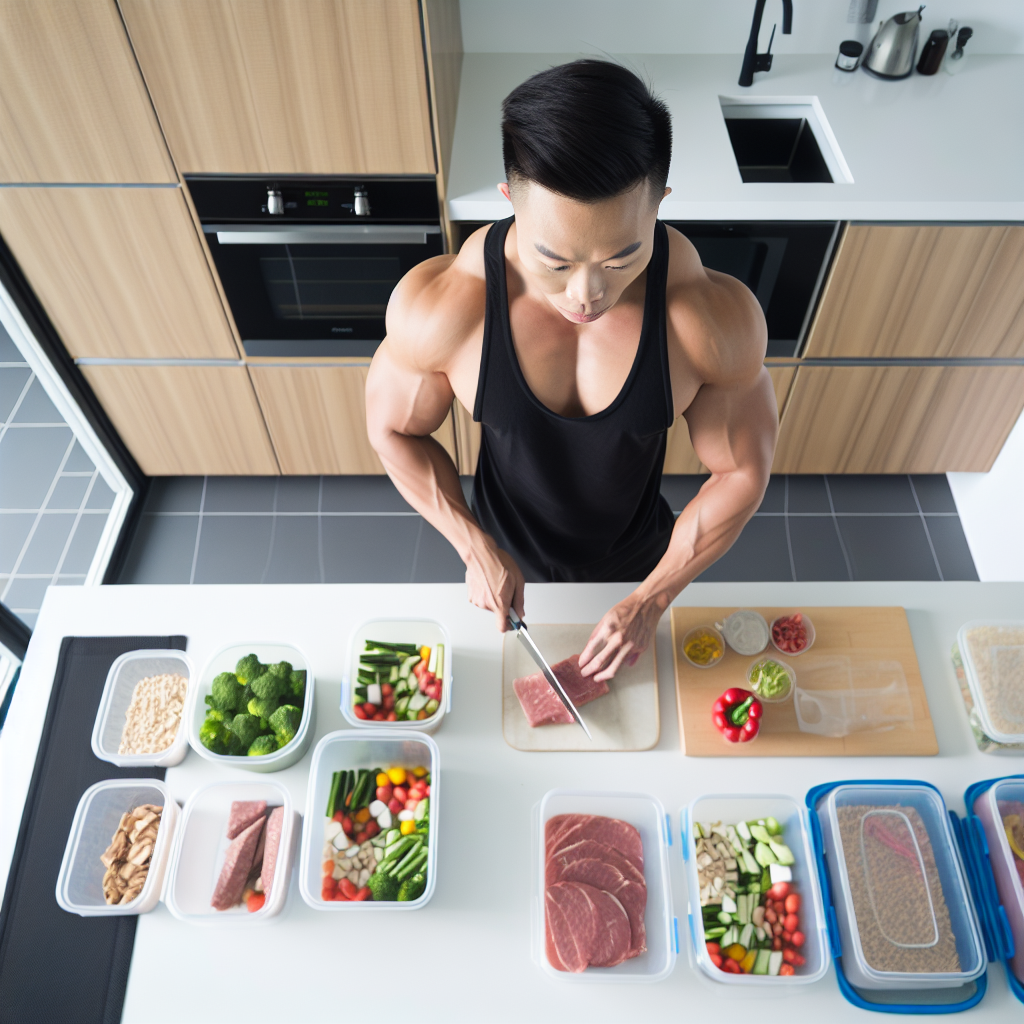
The best bodybuilding diet plan is one you can actually maintain. Consistency beats perfection. Ditch the idea of choking down dry chicken and broccoli all day. Sustainability fuels long-term success.
Plan Meal Frequency Around Your Training
- 4–6 meals per day helps sustain energy and protein synthesis.
- Prioritize meals around your training window—especially pre- and post-workout fuel.
Focus Each Meal on Muscle-Building Foods
Structure meals with nutrient-dense, training-driven ingredients:
- Proteins: Chicken, lean beef, wild-caught fish, egg whites, grass-fed whey.
- Carbohydrates: Oats, jasmine rice, sweet potatoes, sourdough, cream of rice.
- Fats: Avocados, nuts, olive oil, omega-3s from fatty fish or supplements.
- Veggies: Spinach, green beans, zucchini, bell peppers—fiber matters for digestion and satiety.
Coaching Tip: Rotate flavors using spices, sugar-free sauces, and different cooking methods like air frying to add variety without sacrificing macros.
Step 3: Time Your Nutrition Around Training
Nutrient timing isn’t just for pros—it’s for anyone serious about training and recovery. Positioning meals around your workouts maximizes performance and accelerates results.
Training-Centric Meal Guide
- Pre-Workout (60–90 mins before): 30–40g complex carbs + 25–35g lean protein. Example: Cream of rice with whey isolate.
- Post-Workout (within 60 mins): 40–60g fast carbs + 30–40g protein. Try white rice or rice cakes with lean meat or a post-workout shake.
- Intra-Workout (optional): 10–20g EAAs + 10–20g cyclic dextrin during longer sessions.
Common Mistake: Training fasted without strategy can backfire. You’ll feel weak, risk muscle catabolism, and lose drive. If you’re serious about sculpting your body, fuel every rep the right way.
Step 4: Track Weekly and Adjust Strategically
Progress is never linear. Your bodybuilding diet plan needs periodic evaluation based on results. Monitor progress and make small, smart changes weekly.
Track These Core Metrics
- Body weight (2–3x weekly and average it).
- Workout performance and recovery.
- Physique progress via mirror or check-in photos.
Smart Adjustment Strategies
- Not gaining on a bulk? Add 200–250 calories from carbs.
- Plateauing during a cut? Drop 100–150 calories, primarily from carbs or fats.
- Feeling flat? Implement a weekly refeed—1–1.5x maintenance from clean carbohydrates.
Real-World Insight: I once cut too aggressively for a photoshoot. I looked flat instead of shredded. Adding refeed days, managing sodium, and prioritizing sleep helped me peak at the right time.
Step 5: Use Supplements to Fill Nutritional Gaps
Supplements should support your nutrition—not replace it. When used strategically, they can boost performance, recovery, and overall health in your bodybuilding diet plan.
Essential Supplements for Bodybuilders
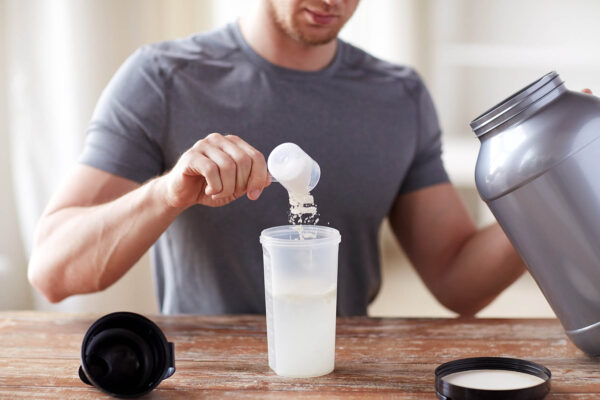
- Whey Isolate: Fast-absorbing post-workout protein source.
- Creatine Monohydrate: 5g daily to improve strength, muscle fullness, and recovery.
- Fish Oil: Omega-3s for joint health and inflammation control.
- Magnesium + Zinc: Promotes sleep quality and hormonal function.
- Vitamin D3 + K2: Supports immune and hormonal balance.
Optional Enhancers
- Digestive enzymes for improved nutrient absorption.
- Glucose disposal agents (GDAs) before higher-carb meals.
- Electrolytes for hydration during intense or hot-weather training sessions.
Own It: Live the Bodybuilder’s Lifestyle
A real bodybuilding diet plan isn’t a short-term fix; it’s a long-term lifestyle. Execute with passion, stay consistent, and adjust strategically. If you’re truly committed to transforming your body and pushing your limits, the foundation begins on your plate—every single day.
Your success is built on every macro, every meal, every moment of discipline. Make it count.