The anabolic window is one of the most hotly debated topics in fitness nutrition. You’ve probably heard it before: “Get your shake in within 30 minutes or you’re wasting your workout!” But how much of that hype is science… and how much is old-school gym myth?
As someone who has trained everywhere from Gold’s Gym Venice to pre-dawn deadlifts in Orlando, I’ve lived the grind. I’ve tried it all—fasted training, old-school bro splits, intra-workout carbs, post-lift milkshakes. Today, we’re diving deep into what the anabolic window actually is, what science REALLY says, and how to use timing to boost your muscle recovery and growth. No fluff—just practical, research-backed advice.
What Is the Anabolic Window?
The anabolic window refers to the time after your workout when your body is thought to be primed for nutrient absorption—particularly protein and carbohydrates. This phase is believed to support muscle recovery, glycogen replenishment, and overall growth more effectively.
Traditionally, lifters believed you had just 30–60 minutes post-exercise to refuel or you’d miss out on muscle gains. The theory was that muscle fibers are like sponges during this short window—super receptive to nutrients. But here’s the catch: while this idea had some scientific support, modern research paints a broader picture.
Old-school advice said: “Crush that shake immediately post-lift!” And while this made for compelling marketing and locker-room lore, updated studies give us more flexible—and science-backed—options.
What the Science Actually Says
Over the past decade, researchers like Brad Schoenfeld and Alan Aragon have reconsidered the anabolic window. Their findings have shifted how we approach post-workout nutrition.
It turns out the anabolic window isn’t a strict 30-minute countdown. If you’ve eaten a solid pre-workout meal (1–3 hours before training), the effects of that meal can extend into your recovery period. In other words, missing that 30-minute window doesn’t doom your session.
What really matters? Your total daily protein and calorie intake. Hitting consistent macro goals has a much bigger impact on muscle growth and recovery than any narrowly timed post-lift shake.
When Timing Still Matters
That said, timing does become important in specific situations:
- Fasted training: Eat protein and carbs ASAP post-workout—ideally within 30 minutes. Your body is running on empty.
- Well-fed before training: You have more leeway. Refuel within 1–2 hours to stay in a favorable anabolic environment.
- Two-a-day sessions: Quick recovery between training bouts is crucial. Replenish glycogen and protein fast.
Real-life tip: At the elite level, we treat nutrient timing like a performance variable. But if your overall diet and recovery (especially sleep) aren’t consistent, focus on the basics first before worrying about timing nuances.
What to Eat After a Workout
If the anabolic window is open for longer than 30 minutes, what should you actually eat during that time? Here’s a breakdown of an ideal post-workout meal based on both science and real-world coaching:
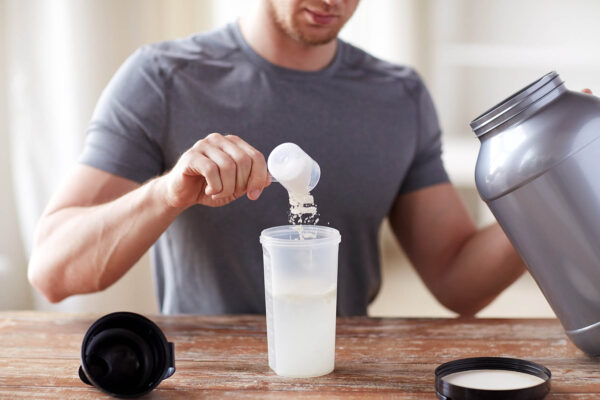
- Protein: Aim for 25–40g of high-quality protein—whey isolate, egg whites, chicken breast, or lean white fish. Your muscles need those amino acids to kickstart repair and growth.
- Carbohydrates: 25–100g of carbs, depending on your body weight, workout intensity, and goals. Prioritize fast-digesting sources like jasmine rice, cream of rice, white potatoes, or banana with honey.
- Fat: Keep fat intake low in this window. High-fat meals slow digestion and may delay nutrient delivery to your muscles.
Sample routine: After a heavy leg session, I take 40g hydrolyzed whey with 50g cream of rice and 1 tbsp raw honey immediately. Within the hour, I follow it with a full meal of grilled chicken, white rice, and green vegetables.
Don’t forget hydration: You lose fluid and electrolytes during intense workouts. Rehydrate with water, sea salt, and magnesium—especially in hot, humid climates like Miami or Houston.
Common Mistakes to Avoid
After years of coaching athletes and lifters—from teen competitors in Boca Raton to collegiate athletes in Texas—I’ve seen a few common mistakes when it comes to the anabolic window:
- Skipping your pre-workout meal: A strong pre-lift meal sets you up for better post-lift recovery. Don’t train on empty unless you’re targeting fasted adaptation.
- Using poor-quality protein: Not all powders are created equal. Avoid brands with fillers and proprietary blends. Look for high-leucine content and full amino acid profiles.
- Overdoing fat: Loading your post-lift meal with peanut butter or avocado? You’re slowing digestion. Save those healthy fats for another meal.
Coach’s tip: When I dial in my clients’ pre- and post-workout meals, we often see faster recovery, less soreness, and better performance in upcoming sessions.
Tailoring the Anabolic Window to Your Goals
Not every athlete has the same aim. Let’s adjust your post-workout nutrition strategy based on your current goal:
Bulking
In growth phases, consistent nutrient surplus is key. Emphasize post-lift carbs to spike insulin and drive nutrients into muscle. Combine 30–40g protein with high glycemic carbs like rice, dextrose, or honey. Example: 40g whey with 25g dextrose post-lift, then steak and white rice an hour later.
Cutting
Here, your goal is to retain muscle and burn fat. Post-training, still include protein and moderate carbs to reduce cortisol and protect lean mass. On low-cal days, add essential amino acids during training to bridge the gap.
Athletic Performance
Training multiple times a day or high-performance sports require rapid recovery. Fast-digesting carbs with protein and plenty of hydration post-session are non-negotiable. Replenish electrolytes—especially sodium and magnesium—to maintain performance output.
Final Thoughts on the Anabolic Window
Yes, the anabolic window is real—but not in the rigid, 30-minute panic-inducing sense you’ve been told. Instead, think of it as a valuable post-workout recovery tool—not a magic bullet.
What matters most is the total picture: hitting daily protein goals, staying consistent with nutrition, and recovering fully. Once you’ve nailed the basics, nutrient timing becomes the extra 5% that takes you from average to exceptional.
Here’s your takeaway: don’t obsess over the clock—focus on quality nutrients delivered consistently. Whether you’re lifting in a gritty basement gym in Chicago or prepping for your pro debut under the Vegas sun, mastering the anabolic window—alongside your foundations—helps you recover faster, train harder, and grow stronger.
Consistency is king. Control your meals. Own your training. And whenever that anabolic window opens… be ready to walk through it.