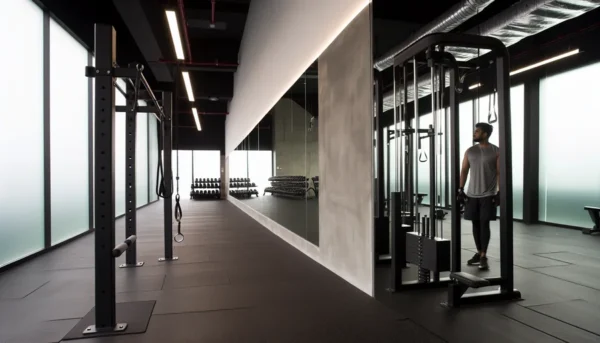
The connection between bodybuilding and mental health isn’t just real—it’s powerful.
Have you pushed through that final rep when your legs burn like fire, or walked into the gym stressed and left with your head high? Then you already feel the impact of bodybuilding and mental health. If not, you’re about to unlock a new level of your journey—where strength goes far beyond muscle.
Life hits hard. For many, the gym is more than a place for physical gains—it’s therapy, structure, and self-mastery. It’s where we build more than a body. We build resilience.
This article takes a real-world and science-backed dive into how bodybuilding and mental health are deeply intertwined—and how training can transform your mind as much as your physique.
How Bodybuilding Shapes Your Mind
Building your body starts with reps and routines. But the deeper transformation comes from mental rewiring. Every set builds not just muscle, but discipline. Every macro you track, every hour of sleep you protect, rewires your habits and mindset.
People see aesthetics. What they often miss is the patience, focus, and consistency behind them. That commitment spills over into life. A study in the Psychology of Sport and Exercise found weightlifters had lower anxiety and improved cognitive control versus non-lifters. The brain changes—this is real chemistry.
Here’s what’s happening under the hood:
- Dopamine Surge: Lifting triggers a healthy dopamine release. That’s the stuff behind motivation and drive.
- Serotonin Boost: Post-lift glows are real—serotonin rises improve mood, sleep, and emotional balance.
- Endorphin Rush: That high after your last set? It’s your body’s way of flushing out stress and locking you into flow.
Add better blood flow and cognitive sharpness, and you’ve got a mind that’s not only stronger—but more focused, regulated, and ready for life outside the gym.
The Discipline-Confidence Loop
Discipline beats motivation—every time. Think about it. When you show up to lift even when you don’t feel like it, you prove something important to yourself. That effort builds competence, and that competence builds unshakable confidence.
When I moved from Chicago to Los Angeles, everything felt chaotic. New city, no safety net, intense pressure. The gym was the one place I had control. Tracking my meals, dialing in workouts, and sticking to sleep schedules gave me certainty. That translated into clarity and belief.
You don’t have to compete or prep for a stage. But when you train with purpose, each rep transforms you—from the inside out.
Training to Cope, Not Escape
Many of us came to bodybuilding to cope—with anxiety, loss, or simply the stress of life. That’s valid. Iron is steady. It never lies to you or judges you. But it’s important not to bury emotional pain under the barbell.
I’ve known athletes who looked flawless online, but silently struggled. Their shredded physiques masked burnout and inner chaos. Don’t let the grind become your identity. Use it as your tool—not your shield.
This is a full-spectrum mental health lifestyle. Training is just one piece. Real wellness includes clean eating, deep sleep, powerful relationships, and sometimes getting help when you need it.
Power Move: After workouts, journal your feelings—not just your weight totals. Track your mental gains like your muscle growth. Awareness creates balance.
Common Mental Health Pitfalls in Bodybuilding
Bodybuilding changes lives—but if you’re not careful, it can also harm your mental game. Here are common traps to avoid:
- Striving for Perfection: There’s no perfect body. Chase progress, not illusions.
- Overtraining: Strength isn’t built in a constant grind. Recovery is part of growth. Burnout doesn’t build anything.
- Comparison Trap: Social media isn’t real life. Your journey is unique. Don’t waste energy measuring against someone else’s highlight reel.
- Neglecting Sleep and Recovery: Mind and muscle rebuild in your sleep. Prioritize 7–9 hours of solid rest nightly.
- Extreme Dieting: Low fat, low carb, no joy? That leads to brain fog, mood swings, and hormonal crashes. Stay balanced for sustainable results.
Negative self-talk and body dysmorphia are more common in this space than many admit. If you feel your mental state shifting into darkness, stop and recalibrate. You came into this for strength—don’t lose sight of what that really means.
What’s Worked for Me: Merging Bodybuilding and Mental Health
Here are strategies I’ve used personally—and with hundreds of clients—to balance bodybuilding and mental health for long-term performance and peace of mind:
- Morning Walks: 30–45 minutes of early walking clears my head, jumpstarts metabolism, and boosts mood. Simplicity wins.
- Daily Meditation (5–10 Minutes): Reset your nervous system. I use the Calm app or simple deep breathing. Center yourself before chaos starts.
- Track Emotional Wins: Each week, jot down one small personal win outside lifting. It brings balance and celebrates growth beyond aesthetics.
- Build Community: Find your people. Gyms like Gold’s and Zoo Culture are more than weights—they’re support systems. We rise together.
Mental muscles matter. Train your resilience as hard as your physique. The result? A grounded, focused, and unstoppable version of you.
Fueling Long-Term Strength: Inside and Out
Bodybuilding and mental health are forever linked. When you train with daily intention, nourish your body, recover deeply, and reflect honestly, you become more than physically strong. You become mentally unshakable.
You don’t need a trophy to prove your worth. You need awareness, consistency, and self-respect. Whether you’re training to compete, build confidence, or level-up all areas of life—the inner weight you carry deserves just as much energy as the plates you lift.
Stay disciplined. Stay aware. And always lift with purpose—physically and mentally. The strongest version of you is forged not just by reps in the gym—but by the choices you make every day outside of it.