Meal prep for muscle gain works when it supports steady training, enough calories, and consistent protein intake. A good plan also needs food you enjoy eating several days in a row. Start with simple recipes, reliable portions, and a schedule that fits your week.
Muscle growth still depends on progressive resistance training and adequate recovery. Prepared meals make those habits easier to support, but they cannot replace them. Use the steps below to build a practical routine without spending every Sunday in the kitchen.
How to Start Meal Prep for Muscle Gain
First, estimate how much food you need. Most people gain muscle efficiently with a modest calorie surplus rather than an aggressive bulk. Add roughly 200 to 300 calories to your daily maintenance intake, then track your progress.
Aim to gain about 0.25% to 0.5% of your body weight per week. If your weight stays flat for two weeks, add another 100 to 200 daily calories. If it rises too quickly, reduce your portions slightly.
Set a Daily Protein Target
A daily protein intake of 1.6 to 2.2 grams per kilogram of body weight suits most strength trainees. That equals about 0.7 to 1 gram per pound. People with kidney disease or related medical concerns should discuss higher protein intake with a qualified clinician.
Divide protein across three to five meals when your schedule allows. Each meal can provide 25 to 45 grams, depending on your size and daily target. Consistent daily intake matters more than exact timing.
Use Carbohydrates to Support Training
Carbohydrates help fuel hard sessions and replenish muscle glycogen. Rice, potatoes, oats, pasta, bread, beans, and fruit all work well in prepared meals. Choose portions based on your calorie needs and training load.
Place a useful serving of carbohydrates in meals before and after training. You do not need a narrow nutrient window. A balanced meal within a few hours of your workout will usually do the job.
Include Enough Dietary Fat
Fat adds calories without creating oversized meals. Olive oil, avocado, nuts, seeds, whole eggs, and oily fish offer practical options. Keep portions measured because oils and nut butters add calories quickly.
Build Each Meal With a Simple Formula
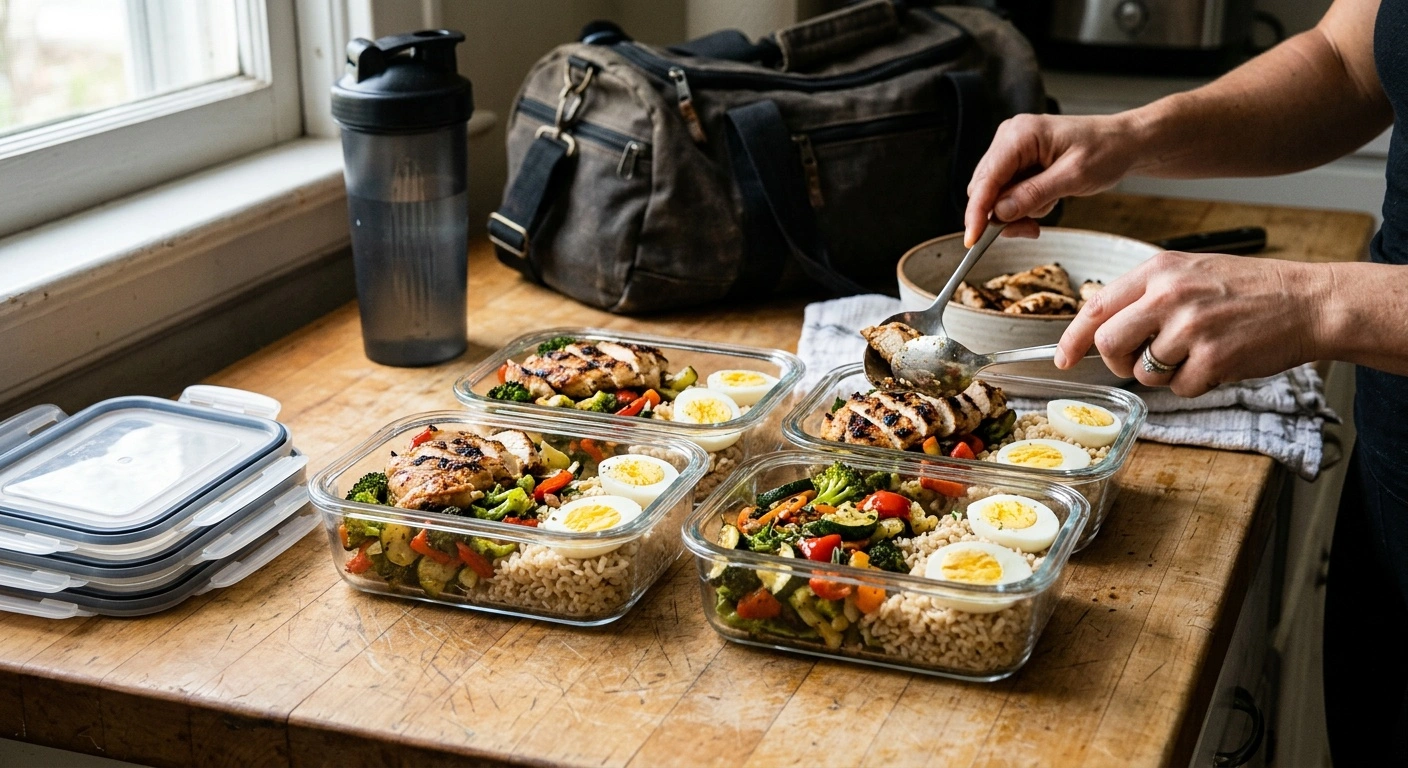
Use four components: protein, carbohydrates, vegetables or fruit, and a source of fat. This formula makes shopping and portioning easier. It also gives you room to change ingredients without rewriting the entire plan.
- Protein: chicken thighs, lean beef, turkey, eggs, Greek yogurt, fish, tofu, tempeh, beans, or lentils
- Carbohydrates: rice, quinoa, potatoes, pasta, oats, tortillas, couscous, or bread
- Produce: broccoli, peppers, carrots, spinach, green beans, berries, bananas, or oranges
- Fats: olive oil, tahini, pesto, avocado, cheese, nuts, seeds, or peanut butter
For a starting portion, try 150 to 200 grams of cooked protein and one to two cups of cooked carbohydrates. Add at least one cup of vegetables. Adjust those amounts to match your body size, appetite, and calorie target.
Choose Foods That Hold Up for Several Days
Some ingredients handle refrigeration better than others. Chicken thighs stay moist longer than very lean chicken breast. Rice, roasted potatoes, pasta, curries, chili, and braised meats also reheat well.
Keep crisp ingredients separate until serving. Store salad greens, chopped herbs, toasted nuts, and crunchy vegetables in their own containers. Sauces should also stay separate when they might soften the meal.
Use acidity and seasoning to prevent bland meals. Lemon juice, vinegar, mustard, salsa, yogurt sauce, and pickled onions add contrast. Season grains and vegetables during cooking instead of relying on the protein alone.
A Two-Hour Weekly Prep Method
Efficient meal prep for muscle gain does not require seven different recipes. Cook two proteins, two carbohydrate bases, and two vegetables. Mix those components with different sauces during the week.
1. Start With the Longest-Cooking Items
Heat the oven and start rice, potatoes, or another grain first. While they cook, season your proteins and prepare the vegetables. This order reduces idle time.
2. Cook in Large Batches
Roast sheet pans of meat and vegetables at the same time. Use the stovetop for grains, chili, curry, or a quick sauce. Check each item separately because cooking times will vary.
3. Portion According to Your Targets
A kitchen scale helps when you need consistent calories and protein. Weigh the finished batch, then divide it by the number of servings. You can use measuring cups if precise tracking does not suit your goals.
4. Cool and Store Food Safely
Move cooked food into shallow containers so it cools quickly. Refrigerate it within two hours, or within one hour in very hot conditions. Keep your refrigerator at 40°F (4°C) or below.
Use most refrigerated meals within three to four days. Freeze later portions as soon as they cool, rather than waiting until the end of the week. Reheat leftovers to 165°F (74°C).
Sample High-Protein Meal Prep Menu
This menu uses overlapping ingredients to reduce waste. Portion sizes will change the calorie and protein totals. Weigh or measure ingredients if you follow a specific nutrition target.
Breakfast: Overnight Oats With Greek Yogurt
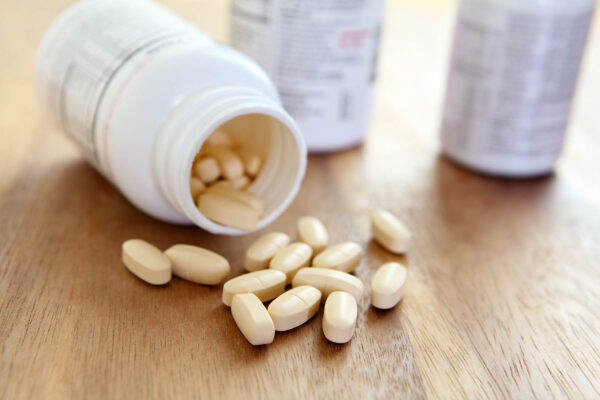
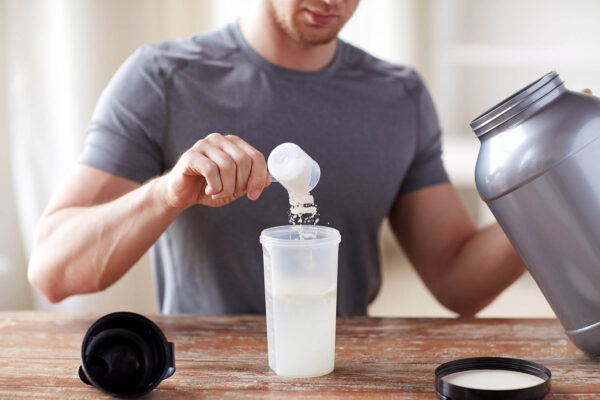
Combine oats, Greek yogurt, milk, chia seeds, berries, and peanut butter. Add whey or soy protein powder if the base recipe falls short of your target. Prepare three jars at once and keep them refrigerated.
Lunch: Chicken, Rice, and Roasted Vegetables
Season chicken thighs with garlic, smoked paprika, salt, and black pepper. Serve them with rice, roasted peppers, and broccoli. Pack lemon yogurt sauce separately and spoon it over the meal after reheating.
Dinner: Beef and Bean Chili
Brown lean ground beef with onion, cumin, oregano, and chili powder. Add beans, tomatoes, and enough stock to control the thickness. Serve the chili with rice, tortillas, or a baked potato.
Snack: Cottage Cheese and Fruit
Portion cottage cheese into small containers and add fruit before eating. Nuts or granola can raise the calorie count when needed. Keep crunchy toppings separate so they retain their texture.
Adjust the Plan Without Starting Over
Your body weight, gym performance, hunger, and digestion provide useful feedback. Review those markers every two weeks. Daily scale changes often reflect water, sodium, and carbohydrate intake rather than new tissue.
Increase carbohydrate portions first if training feels flat and body weight does not rise. Add rice, oats, bread, fruit, or potatoes to meals you already prepare. This approach saves more time than adding an entirely new recipe.
If meals feel too large, use more calorie-dense ingredients. A spoonful of olive oil, a handful of nuts, or a glass of milk can help. If weight climbs too fast, reduce added fats or trim carbohydrate portions.
Common Meal Prep Mistakes
Preparing Too Much Food
Cooking seven refrigerated lunches at once creates quality and safety problems. Keep three or four days of food in the refrigerator. Freeze the remaining servings on prep day.
Ignoring Taste and Texture
Dry chicken and plain rice will test anyone’s consistency. Choose suitable cooking methods, season every component, and pack a sauce. Rotate seasonings instead of replacing every ingredient.
Changing Calories Too Quickly
A large surplus often adds more body fat without speeding muscle growth. Make small adjustments and watch the weekly trend. Give each change enough time to produce useful data.
Depending on Protein Alone
Protein supports muscle repair, but total calories still matter. Carbohydrates support training, while fats help you reach your energy target. Build complete meals rather than filling containers with meat and little else.
Make Your Muscle-Gain Prep Sustainable
Successful meal prep for muscle gain should reduce decisions during a busy week. Repeat dependable recipes, vary the sauces, and keep emergency meals in the freezer. Consistency beats an elaborate plan that you abandon after two weeks.
Track your intake long enough to learn which portions work for you. Then simplify wherever possible. The strongest plan is the one you can cook, afford, digest, and follow alongside regular training.