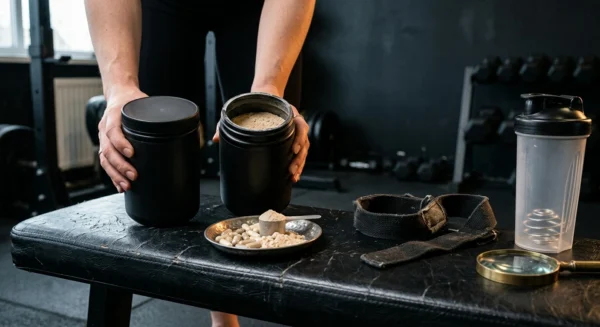
To lose fat without losing muscle, combine a modest calorie deficit with enough protein, hard lifting, and consistent recovery. The goal is to give your body a reason to keep muscle while it draws energy from stored fat.
No plan can guarantee zero muscle loss. However, a measured approach can limit it while preserving strength, training quality, and day-to-day energy.
How to lose fat without losing muscle
Start with a moderate calorie deficit rather than cutting food as low as possible. A daily deficit of 10 to 20 percent below maintenance works well for many people.
For example, someone maintaining weight on 2,500 calories might start between 2,000 and 2,250 calories. Leaner or highly trained people should usually stay near the smaller end of that range.
Aim to lose about 0.5 to 1 percent of your body weight each week. Choose the slower end if you already have low body fat or several years of lifting experience.
Set calories from real weight data
Calorie calculators provide a starting estimate, not a precise prescription. Track your food and morning body weight for at least two weeks before making a large adjustment.
Compare weekly weight averages instead of reacting to a single reading. Water, sodium, carbohydrate intake, and digestion can shift scale weight from one day to the next.
If your average weight stays flat for two weeks, reduce daily intake by 100 to 200 calories. You could also add a small amount of activity instead.
Eat enough protein each day
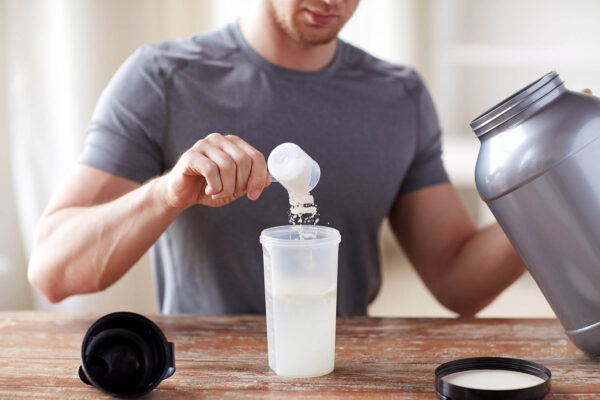
Protein supplies the amino acids your body uses to repair and maintain muscle tissue. Most people who lift should target 1.6 to 2.2 grams per kilogram of body weight daily.
People with higher body-fat levels can calculate protein from goal weight rather than current weight. This approach often produces a more practical target.
Spread protein across your meals
Divide your protein among three to five meals. Each meal can contain roughly 0.3 to 0.5 grams per kilogram of body weight.
Daily intake matters more than exact timing. Still, a protein-rich meal within a few hours of training can support recovery.
Use foods that fit your calorie target
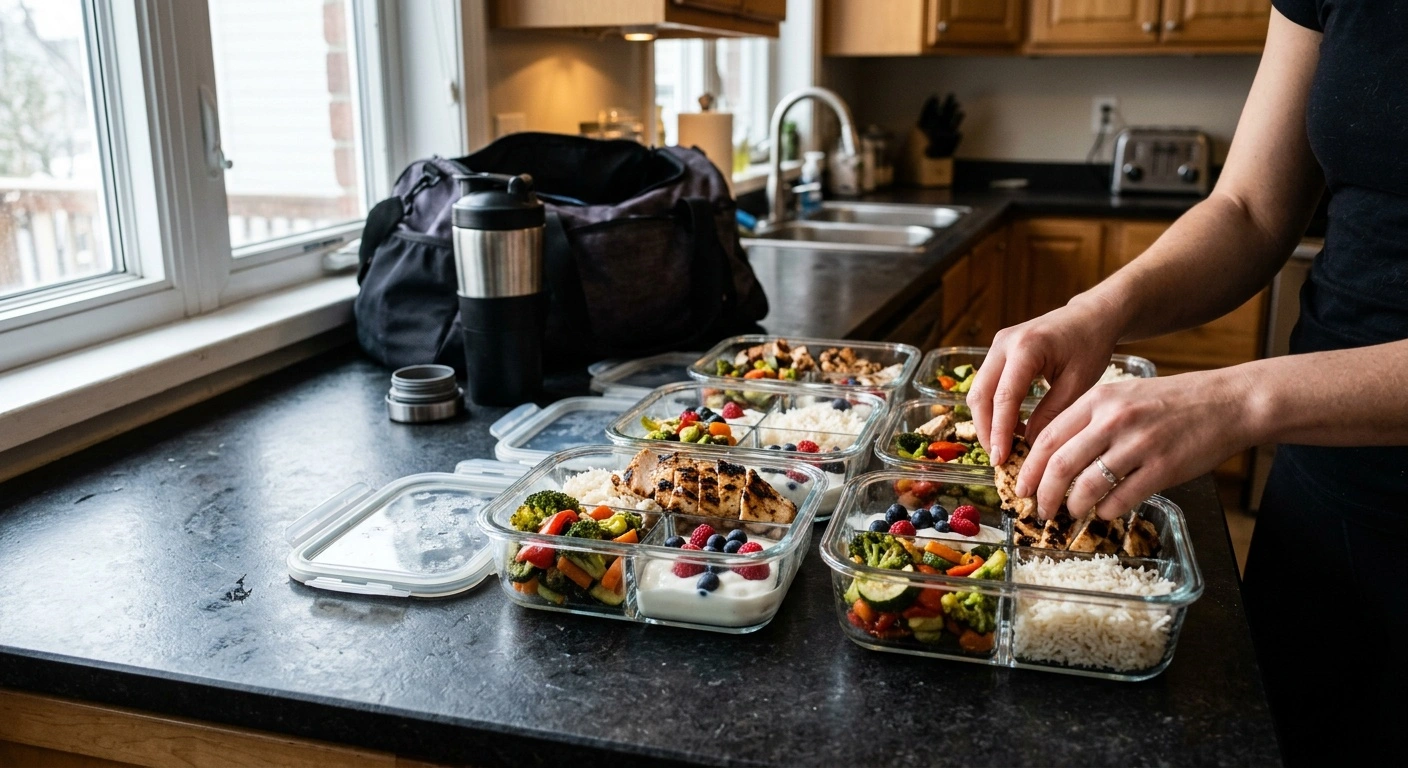
Choose protein sources that leave room for carbohydrates, fats, fruit, and vegetables. Useful options include chicken breast, lean beef, fish, eggs, Greek yogurt, cottage cheese, tofu, tempeh, beans, and lentils.
Simple cooking methods make portions easier to track. Grill, roast, poach, or pan-sear proteins with measured oil, then build the plate around them.
Keep resistance training hard
Resistance training tells your body that muscle still serves a purpose. Keep lifting throughout the calorie deficit and train each major muscle group at least twice per week when practical.
Try to maintain your usual loads and technique. You may complete fewer repetitions as fatigue rises, but avoid replacing all heavy work with light circuits.
Adjust volume before intensity
A calorie deficit can reduce your capacity for long workouts. If recovery declines, remove a few sets before lowering the weight on every exercise.
Keep several demanding sets for each muscle group. Most working sets should finish with about one to three good repetitions left in reserve.
Strength may fluctuate during a diet. Look at trends across several weeks rather than judging one poor session.
Use cardio without undermining recovery
Cardio can increase calorie expenditure and improve fitness. It should support the diet rather than leave your legs too tired to lift well.
Start with walking, cycling, or other low-impact work. Two or three moderate sessions per week may be enough, especially if you also track daily steps.
Place hard intervals away from demanding lower-body sessions when possible. If your strength drops and soreness lingers, reduce cardio before cutting more food.
Keep carbohydrates and fats in the plan
Carbohydrates help fuel demanding resistance training. Rice, potatoes, oats, bread, pasta, fruit, and legumes can all fit within a fat-loss diet.
Place some carbohydrates before and after training if they improve your performance. The total daily amount still matters more than a narrow timing window.
Dietary fat supports hormone production and helps you absorb fat-soluble vitamins. Avoid driving fat intake too low for long periods. A practical minimum often falls near 0.6 grams per kilogram of body weight daily.
Protect sleep and manage fatigue
Aim for seven to nine hours of sleep each night. Poor sleep can increase hunger, reduce training performance, and make consistent food choices harder.
Keep a regular bedtime and limit caffeine late in the day. A cool, dark room also helps many people sleep more soundly.
Schedule easier training weeks if fatigue keeps building. Rest does not replace good programming, but it allows that program to work.
Track more than scale weight
Use several markers to judge progress. Record weekly weight averages, waist measurements, gym performance, and photos taken under similar conditions.
A shrinking waist with stable strength usually points toward successful fat loss. Small strength declines do not automatically indicate muscle loss because leverage and energy levels also change.
Seek guidance from a registered dietitian or qualified clinician if you have a medical condition or a history of disordered eating. Pregnant people, adolescents, and competitive athletes may need more individualized support.
Common mistakes that increase muscle loss
- Creating an aggressive calorie deficit from the first week.
- Eating too little protein or concentrating it in one meal.
- Stopping resistance training and relying only on cardio.
- Adding exercise whenever the scale pauses for a few days.
- Ignoring declining sleep, performance, mood, or recovery.
- Changing calories before reviewing at least two weeks of data.
Dieting harder does not always produce a better result. Large deficits often make training worse and increase the chance of regaining weight afterward.
A repeatable plan for preserving muscle
Set a moderate deficit, hit your protein target, and keep resistance training at the center of the plan. Review your weekly data, then make small adjustments only when progress truly stalls.
Consistency gives you the best chance to lose fat without losing muscle. A slower approach may take longer, but it usually supports better training, recovery, and adherence.