Bodybuilding competition prep is not just about lifting heavy or showing up on stage with confidence. It’s a precise science—a lifestyle rooted in meticulous planning, strategy, and discipline. If you think your hard work in the gym is enough, think again. What wins shows is execution, not effort. I’ve coached it, lived it, and now I’m going to show you how to dominate your first prep—no fluff, just facts.
Understanding What You’re Really Signing Up For
Let’s start with your mindset, because in bodybuilding competition prep, your mental game is the first muscle you train. Prepping for a show isn’t just about “show day”—it’s a 12 to 20-week process where every aspect of your life must align: training, cardio, nutrition, sleep, posing, and recovery.
On stage, judges aren’t rewarding effort, they’re scoring execution. Crisp conditioning, balanced symmetry, muscular hardness—all under the most unforgiving lights. You need to become your own sculptor—cutting, refining, detailing until perfection shows up.
Different bodybuilding federations like NPC, IFBB, WNBF, and OCB have slightly different judging criteria, but across the board, they want symmetry, muscularity, conditioning, and stage presence. Know your division—Classic Physique, Men’s Physique, or Bodybuilding. Each category demands a different look and posing routine.
U.S.-based? Consider first-tier shows like NPC Teen, Collegiate & Masters Nationals or the Jay Cutler Desert Classic. Research shows that fit your timeline and level. Local and regional competitions often offer the best starting point.
Start With Reverse Engineering: Pick the Show First, Then Plan Backwards
Don’t pick a random date or let peer pressure dictate your timeline. In bodybuilding competition prep, you need planning, not luck. Choose a show 16 to 20 weeks out, depending on your starting point. Then, reverse-engineer your plan backwards from that show date.
Begin with a comprehensive assessment: physique photos, body fat measurement, and an evaluation of muscular development. A DEXA scan or skinfold caliper test from a qualified coach offers the most accurate data.
You’ll likely fall into one of two categories: needing a short build phase or beginning a fat-loss cut. Most first-time competitors start with a cut to reach stage condition safely and strategically. From there, periodize your plan with precise checkpoints.
Training: Prioritize What Matters Most—Muscle Retention
Don’t panic and abandon your normal training for high-rep fluff routines. Contest prep isn’t about novelty, it’s about consistency under stress. Your goal here is muscle retention—not random circuit workouts.
Heavy compound lifts should anchor your regimen. Focus on progressive overload until recovery becomes a limiting factor. Isolation work helps with aesthetic polish, but compound movements protect your muscle mass when calories drop.
Sample Weekly Split (5 Days/Week):
- Monday: Push (Chest, Shoulders, Triceps)
- Tuesday: Pull (Back, Biceps)
- Wednesday: Legs
- Thursday: Upper Body Focus (Weak Points)
- Friday: Legs + Mobility
Modify frequency based on your recovery capacity. As you get leaner, energy dips and recovery slows. Incorporate deloads and intra-workout carbs when needed to support performance.
Precision Nutrition: The True Deciding Factor
Your diet is the deciding edge in bodybuilding competition prep. No “clean eating” guesswork or off-the-cuff macro tracking. This is about gram-level precision, monitored daily and adjusted weekly.
Start your prep with moderate carbs and higher fats, gradually shifting toward lower fat and strategically timed carbs as you lean out. However, protein must always stay high—1.2 to 1.5 grams per pound of lean body mass—to hold muscle.
Sample Day at 12 Weeks Out:
- 6 meals/day, evenly spaced
- Carbs: 175g (rice, oats, sweet potatoes)
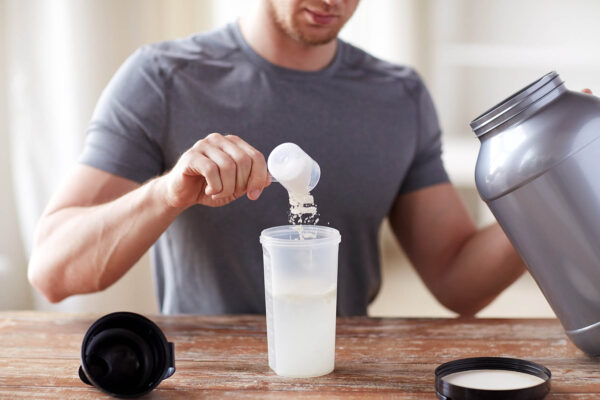
- Protein: 250g (egg whites, chicken, lean beef, whey isolate)
- Fat: 55g (almond butter, whole eggs, macadamia oil)
Pro Tip: Track sodium/potassium ratios and water intake early. Don’t gamble with electrolyte balance during peak week. Consistent management throughout prep pays dividends in the final week.
Cardio: A Strategic Fat-Loss Tool
Cardio isn’t punishment—it’s a fat-burning tool when used intelligently. Begin with 20 to 30 minutes of low-intensity steady state (LISS) cardio 3 to 4x a week. Gradually increase frequency or intensity, not both at once.
Add high-intensity interval training (HIIT) only after your body adapts and fat loss slows down—typically around the 6 to 8 week mark.
Pro Tip: The StairMaster becomes critical deep into prep. It promotes leg separation and glute development while improving endurance without over-taxing joints. Monitor fatigue and prioritize sleep to avoid burnout.
Master Posing: A Make-or-Break Skill
You can have a killer physique and still lose if your posing falls short. Start early—Week 1 ideally—and practice daily. Posing requires control, confidence, and flow from one posture to the next.
Whether self-taught through video analysis or guided by a coach, your practice sessions need to simulate real show conditions—lighting, music, fatigue. Use harsh lighting and mirrors to refine each angle and muscle engagement.
Pro Tip: Practice posing right after workouts for 10–15 minutes when you’re tired. This mirrors show-day fatigue and helps you perfect composure under pressure.
Study champion competitors in your division. If you’re doing Classic Physique, analyze front double bicep, side chest, and rear lat spread from top athletes. Execution matters—sloppy posing kills aesthetics.
Peak Week: Strategic, Not Dramatic
Peak week isn’t magic—it’s a final refinement phase. If your prep has been tight, peak week can enhance your look. But if you’re chasing miracles, stop now. Focus on consistent manipulation of carbs, water, sodium, and rest.
A front-load carb strategy, with carbohydrates increasing slowly beginning 4 to 5 days before the show, helps safely fill out muscle glycogen stores. Manage sodium and water steadily—stay away from last-minute tricks or extreme measures.
What’s worked: Beginning carb front-load on Tuesday for a Saturday show, tapering training intensity without cutting posing practice, and emphasizing sleep quality and stress control.
Show Day: Precision Continues
Arrive one day before the show. Book your professional tan (Pro Tan or Jan Tana), and pack everything with backups—posing trunks, food, pump-up bands, water, and sugar sources like honey or rice cakes.
Backstage, remain calm and avoid over-exerting during pump-up. Hit just enough reps to bring out detail—usually 70–80% effort at most. Save your energy for that short moment in front of the judges.
Pro Tip: After pre-judging, don’t binge celebrate with garbage food. Stay in the zone—your final placement is determined by both rounds. A single meal can sabotage weeks of work. You’re not done until the night show ends.
Your First Show: A Launchpad, Not the Finish Line
Bodybuilding competition prep is a journey that reshapes more than your body—it transforms your discipline, your habits, and your mindset. Win or lose, stepping off that stage represents a level of personal growth few ever experience.
Approach the process with patience, intention, and commitment. And when you finally hit that stage—shredded, battle-tested, and proud—you’ll realize this sport gives back far more than it takes.