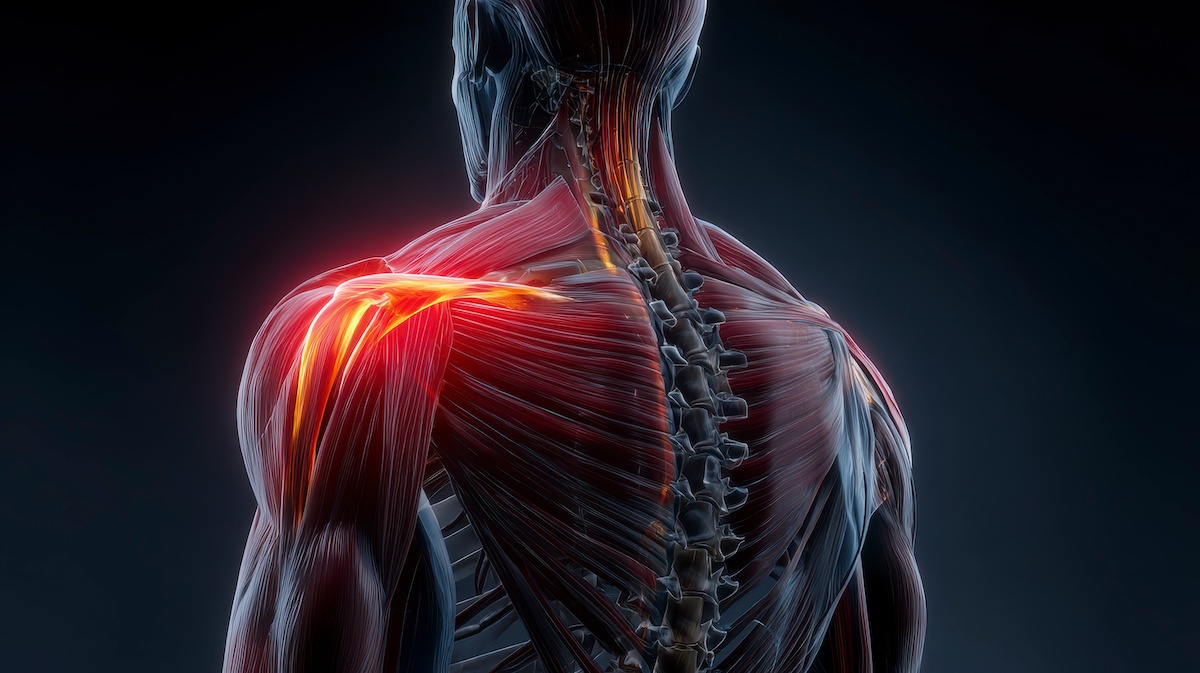
DOMS explained—it’s more than just next-day pain. It’s a signal your body sends after tackling new or intense physical stress, and knowing how to interpret it can make or break your performance gains.
Whether you’re an athlete, bodybuilder, or relentless gym enthusiast, you’ve likely felt that deep, aching soreness after a heavy session. Your legs buckle on stairs, your lats remind you of every pull-up, and suddenly, even getting out of bed feels like a challenge.
This phenomenon is called DOMS—Delayed Onset Muscle Soreness. Understanding it is essential if you’re chasing gains, avoiding injury, and aiming to train smarter, not harder. In this full guide to DOMS explained, we’ll uncover what causes it, when to be concerned, and how to manage it like a seasoned pro.
DOMS Explained: What Is It and What Causes It?
DOMS is not just routine workout fatigue. It’s your muscles reacting to unfamiliar stress—specifically eccentric movement (lengthening under tension), new exercises, or sudden increases in volume or intensity.
This soreness typically sets in 12 to 72 hours post-workout, often peaking around the 48-hour mark. It’s caused by microscopic tears in your muscle fibers that trigger inflammation and other recovery mechanisms.
Imagine crushing tempo Romanian deadlifts for the first time. Two days later, your hamstrings light up. That’s DOMS—your body’s cue that it’s adapting. Eccentric actions, like lowering a curl or descending in a squat, create more muscle damage than lifting or holding a weight.
Soreness Doesn’t Always Mean Growth
A common misconception is that soreness equals progress. While DOMS signals muscle damage, that’s only one component of hypertrophy—and not the most important.
The three pillars of muscle growth are:
- Mechanical tension (heavy loads through a full range of motion)
- Metabolic stress (pump training and lactate build-up)
- Muscle damage (where DOMS lives)
Progress isn’t measured by how sore you are. Beginners often fall into the “no pain, no gain” trap, but as you get more advanced, DOMS becomes less frequent—even when results continue. Elite athletes don’t chase pain—they chase effective adaptation.
Pro tip: DOMS should be a byproduct of effective training, not the goal itself. If you’re constantly wrecked, it could mean you’re overtraining or not recovering adequately.
Normal vs. Problematic DOMS—When to Worry
Now that we have DOMS explained biologically, let’s break down what’s normal and what’s worth a closer look.
Typical, Healthy DOMS:
- Appears 24–72 hours post workout
- Causes mild to moderate muscle tightness or soreness
- Limits range of motion slightly
- Subsides within 3–7 days
Concerning Symptoms to Watch:
- Soreness lasting beyond 7 days
- Sharp, stabbing, or localized joint pain
- Significant swelling, dark urine, or muscle breakdown indicators
- Tingling, shooting pains, or numbness (possible nerve involvement)
Pay attention to your body. Discomfort is normal; pain is not. In 2019, I pushed too hard on Nordic curls trying to “feel the burn” and ended up straining my hamstring pre-photoshoot. Lesson: progress stops when injury starts.
Recovery Tactics: Managing DOMS Like a Pro
If you train with intensity, DOMS will happen. Here’s how to reduce its impact and keep improving:
1. Keep Moving
Don’t just crash on the couch. Gentle movement like walking, swimming, or cycling boosts circulation and helps clear waste products from muscles.
2. Prioritize Sleep and Nutrition
Recovery happens outside the gym. Sleep 7–9 solid hours per night, eat enough quality protein (aim for at least 1 gram per pound of bodyweight), and stay hydrated. Add collagen and electrolytes if your joints feel taxed.
3. Use Targeted Recovery Tools
Massage guns, compression therapy, infrared saunas, or contrast baths (cold-hot rotations) can alleviate stiffness. Tools like these won’t replace rest but can improve readiness between hard sessions.
4. Taper Into Intensity
Most severe DOMS hits when jumping into an aggressive program without a build-up. Ease in over 2–3 weeks. I always tell new clients: move up with control, not chaos.
5. Program Eccentric Work Strategically
Eccentric overload is effective—but don’t overdo it. One or two slow-negative exercises per session is usually enough unless you’re in a specific peaking phase.
Training Through DOMS: Yes or No?
DOMS explained doesn’t mean it must end your training week. Whether you should train through soreness depends on severity and muscle function.
- Mild DOMS: You’re good to train—just scale intensity.
- Moderate to Severe: Opt for active recovery or target different muscle groups.
- Joint or Nervous Pain: Stop, reassess form and intensity, and consult a professional.
I often lift with DOMS on split routines—but not carelessly. Lower the weight, increase control, and make quality movement your focus. For heavily sore posterior chain? Swap barbell lifts for machines like the hack squat or leg press to reduce fatigue risk.
The Smarter Takeaway on DOMS
Remember: soreness is informative, not definitive. It can highlight weak points, recovery gaps, or how your body responds to new training—and when decoded properly, can become a training advantage.
But don’t glamorize the pain. DOMS explained isn’t a benchmark of success; it’s a piece of the puzzle. Prioritize recovery, structure your workouts intelligently, and use DOMS as a tool—not a trophy.
The strongest athletes build resilience through balance. Train hard, recover harder, and let soreness be your signal—not your scoreboard.