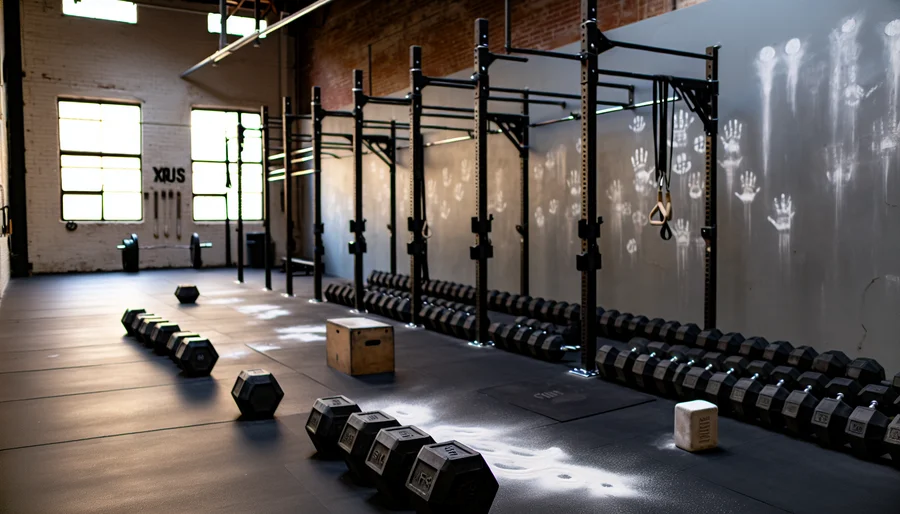
Grip strength training is essential if you want to lift bigger weights and transform not just your body but also your mindset. Without a solid grip, you’re like a Ferrari with flat tires; all the horsepower won’t help if you can’t apply it effectively.
The Importance of Grip Strength for Lifting
Grip strength influences more than just your handshake firmness. It plays a crucial role in enhancing performance across exercises like deadlifts and rows. Building your grip strength serves as the foundation for overall strength improvements. Scientific studies suggest that enhancing grip strength can significantly boost compound lifts, promoting better control, stability, and forearm muscle activation.
Early in my bodybuilding journey, I discovered the hard way how critical grip strength is. My back could handle more weight, but my hands couldn’t hold the bar. This revelation changed my approach to lifting entirely.
Techniques to Boost Your Grip Strength
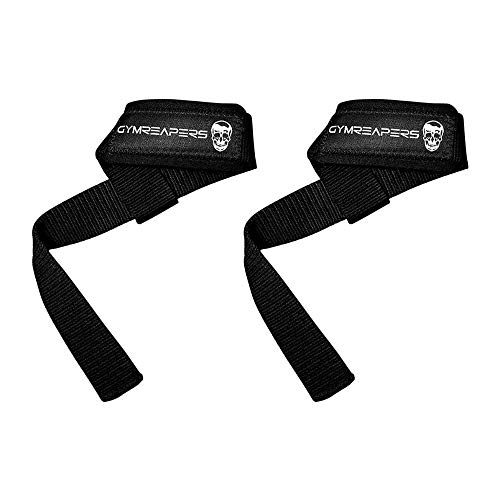
Start by putting away the wrist straps. Though useful, they often prevent natural grip strength development. Here’s how to enhance this foundational skill:
- Farmer’s Walks: Pick up heavy dumbbells, stand upright, and walk a set distance or for a set time. This exercise benefits your grip, forearms, core, and mental toughness.
- Dead Hang Focus: Hang from a pull-up bar as long as possible. Although simple, it’s challenging for your forearms.
- Use Grip Enhancers: Implement thick bar training or use grip attachments that imitate thicker bars to intensify forearm engagement.
Common Mistakes in Grip Strength Training
To optimize your grip strength training, avoid these common pitfalls:
- Over-Reliance on Straps: Straps should not be a staple as they can impede progress if used too often.
- Neglecting Direct Training: Forearms, like all muscle groups, require direct training, such as wrist curls and extensions, to maximize grip strength potential.
- Lack of Gradual Progression: Starting with heavy weights without gradually building up your grip strength increases the risk of injury or burnout.
Pro Tips for Real Gains
Seasoned lifters incorporate these strategies:
- Chalk Advantages: Gym chalk enhances grip friction, improving your connection with the bar during sweat-heavy sessions.
- Ensure Consistency: Include grip work in your weekly routine like any major muscle group for significant improvements.
- Focus on Mindset: Embrace forearm fatigue and train your mind to endure the burn with mental endurance strategies.
Building Your Grip Strength Training Routine
An effective grip strength routine combines direct and indirect work on separate days. Try this example weekly plan:
- Day 1: Farmer’s Walks (3 sets of 100 steps), Dead Hang (3 sets of max time)
- Day 2: Thick Bar Holds (3 sets of 30 seconds), Pull-up or Chin-up negatives (3 sets of 5 reps)
- Day 3: Wrist Curls (3 sets of 15), Reverse Curls (3 sets of 12)
Achieving More Than Just a Strong Grip
Incorporating grip strength training into your regimen not only builds up forearms but also establishes a robust foundation for overall strength development. This leads to enhanced lifting performance across all exercises. The path to strength is endless, powered by effort and smart training. Stay focused and tackle the tough challenges; your future self, lifting heavier with ease, will be grateful.